
Tratamentos de pele
Cuidados com a Pele Acima dos 40 Anos: Opções de Tratamento Anti-Aging 2026
Dr. Hamza Gemici
8 de março de 20268 minutosÚltima atualização: 29 de maio de 2026 · Revisão médica por: Dr. Hamza Gemici
Artigo localizado
Este artigo está disponível em português. Algumas frases podem continuar a receber ajustes editoriais.
Resumo Rápido · TL;DR
Cuidados com a pele acima dos 40 anos e opções de tratamento anti-aging. Informações especializadas sobre Botox, preenchimento, Profhilo, PRP, mesoterapia e procedimentos de rejuvenescimento da pele. Plano de tratamento adequado à idade.
Principais Pontos
- Cuidados com a pele acima dos 40 anos e opções de tratamento anti-aging. Informações especializadas sobre Botox, preenchimento, Profhilo, PRP, mesoterapia e procedimentos de rejuvenescimento da pele. Plano de tratamento adequado à idade.
- Guia de 8 minutos focado em tratamentos de pele.
- Revisado na perspectiva clínica do Dr. Hamza Gemici em Istambul.
Ao chegar aos 40 anos, a pele passa por mudanças significativas. Compreender essas alterações é fundamental para a escolha do tratamento correto:
Perda de Colágeno e Elastina
A partir dos 30 anos, a produção de colágeno diminui cerca de 1-1,5% ao ano. Ao chegar aos 40, essa perda torna-se evidente:
- A elasticidade da pele diminui e a flacidez começa
- Linhas finas transformam-se em rugas profundas
- O contorno facial perde a definição
- A linha da mandíbula torna-se menos definida
- A região do pescoço e colo é afetada
Perda de Volume
Ocorrem mudanças no tecido adiposo e na estrutura óssea do rosto:
- As bochechas perdem o volume
- A área ao redor dos olhos torna-se encovada
- A região das têmporas afunda
- Os lábios afinam
- Os sulcos nasolabiais aprofundam-se
Mudanças na Qualidade da Pele
- A pele parece mais seca e opaca
- A visibilidade dos poros aumenta
- Manchas e desigualdades de tom tornam-se evidentes
- A superfície da pele torna-se irregular
- O processo de cicatrização torna-se mais lento
Opções de Tratamento Anti-Aging para Acima dos 40 Anos
Existem diferentes opções de tratamento para rejuvenescimento da pele. Cada uma visa problemas diferentes e, quando usadas em conjunto, proporcionam os melhores resultados.
1. Botox (Toxina Botulínica)
O Botox é o padrão ouro para rugas de expressão. Acima dos 40 anos, é eficaz nas seguintes áreas:
- Linhas da testa: Suaviza as rugas horizontais da testa
- Entre as sobrancelhas (glabela): Reduz as linhas verticais que causam uma aparência de irritação
- Pés de galinha: Elimina as linhas ao redor dos olhos
- Linhas de coelho: Reduz as linhas nas laterais do nariz
- Nefertiti lift: Firma a linha do pescoço e da mandíbula
Botox Acima dos 40 Anos
Após os 40 anos, a aplicação de Botox deve ser dosada com mais cuidado para evitar a aparência de "rosto congelado". O objetivo não é parar completamente o movimento, mas obter uma aparência suave e natural.
Esta página não oferece cotações de preços fixos. O valor é definido após a consulta médica, de acordo com a quantidade de produto, marca, área de aplicação, plano de combinação e avaliação de adequação médica.
2. Preenchimentos com Ácido Hialurônico
As aplicações de preenchimento são usadas para compensar a perda de volume e preencher rugas profundas:
- Preenchimento de bochechas: Restaura o volume perdido das bochechas
- Preenchimento nasolabial: Reduz as linhas entre o nariz e a boca
- Preenchimento de marionete: Corrige as linhas nos cantos da boca
- Preenchimento de olheiras: Elimina olheiras e depressões
- Preenchimento de queixo: Define a linha da mandíbula
- Preenchimento labial: Dá volume aos lábios afinados
Em nossa clínica, são utilizados produtos originais com aprovação da FDA e CE. Diferentes opções de marcas são oferecidas de acordo com o orçamento, demanda e necessidade do paciente.
3. Profhilo (Bio-Remodelagem)
O Profhilo é um tratamento particularmente valioso para quem tem mais de 40 anos:
- Contém a maior concentração de ácido hialurônico puro do mercado
- Hidrata e renova a pele de dentro para fora sem preencher
- Estimula a produção de colágeno e elastina
- Aumenta a qualidade e o brilho da pele
- Mostra efeito tensor em flacidez leve
- Pode ser aplicado no rosto, pescoço, colo e dorso das mãos
Protocolo Profhilo
Geralmente, recomenda-se um tratamento inicial de 2 sessões (com intervalo de 1 mês). Posteriormente, os resultados são mantidos com 2-3 sessões de manutenção por ano. Os resultados tornam-se visíveis em 3-6 meses.
4. Skinbooster (Vacina da Pele)
O Skinbooster é um tratamento de hidratação que melhora a qualidade da pele:
- Ácido hialurônico fino é injetado na superfície da pele
- Proporciona hidratação profunda e luminosidade
- Reduz linhas finas
- Melhora a textura e elasticidade da pele
- Pele bonita mesmo sem maquiagem
5. PRP (Plasma Rico em Plaquetas)
O tratamento com PRP proporciona renovação da pele com fatores de crescimento obtidos do seu próprio sangue:
- É um tratamento natural e seguro (usa seu próprio sangue)
- Estimula a produção de colágeno
- Acelera a renovação da pele
- Uniformiza o tom da pele
- Também é usado no tratamento da queda de cabelo
6. Mesoterapia
A mesoterapia é a injeção de misturas de vitaminas, minerais, aminoácidos e ácido hialurônico na pele:
- Aumenta a nutrição da pele
- Proporciona efeito antioxidante
- Aparência de pele radiante e viva
- Elimina o ressecamento e a opacidade
- Aplicado em forma de curso (4-6 sessões)
7. Micro Botox (Baby Botox)
O micro botox é uma excelente opção para quem tem mais de 40 anos:
- Baixa dose de botox é injetada na superfície da pele
- Reduz os poros
- Diminui a oleosidade
- Suaviza a textura da pele
- Proporciona uma aparência natural preservando as expressões
Combinações de Tratamento para Acima dos 40 Anos
Os resultados mais eficazes são geralmente obtidos com combinações de tratamentos. Aqui estão os protocolos comumente usados:
Protocolo Básico (40-45 Anos)
- Botox: Testa + entre as sobrancelhas + pés de galinha (a cada 4-6 meses)
- Skinbooster/Mesoterapia: Para qualidade da pele (a cada 3-4 meses)
- Preenchimento leve: Se necessário, nasolabial ou lábios
Protocolo Abrangente (45-55 Anos)
- Botox: Todo o terço superior do rosto + pescoço (Nefertiti)
- Profhilo: Rosto + pescoço (2-3 vezes ao ano)
- Preenchimento: Bochechas + nasolabial + marionete
- PRP: Renovação da pele (a cada 3-4 meses)
Protocolo Intensivo (55+ Anos)
- Botox: Em áreas estratégicas, preservando o movimento natural
- Profhilo + Skinbooster: Combinação
- Preenchimento: Preenchimento facial abrangente (terço médio, linha da mandíbula)
- Dispositivos de energia: Tratamentos de firmeza como RF, HIFU
- PRP: Tratamento regular
O que considerar na escolha do tratamento
Avaliação Pessoal
Cada paciente é diferente. O plano de tratamento deve ser personalizado de acordo com:
- Tipo e qualidade da pele
- Gravidade dos sinais de envelhecimento
- Estrutura genética e histórico familiar
- Estilo de vida (tabagismo, exposição solar)
- Expectativas e objetivos
- Orçamento e tempo
Expectativas Corretas
⚠️ Defina Metas Realistas
Os tratamentos anti-aging não param o envelhecimento nem o revertem completamente. O objetivo é parecer descansado, fresco e saudável, condizente com a sua idade. "Voltar aos 20 anos" não é realista, e aplicações feitas com tais expectativas geralmente resultam em aparências não naturais.
Cuidados em Casa: O Complemento do Tratamento Médico
Os tratamentos clínicos não são suficientes por si só. O cuidado regular em casa é essencial para manter e prolongar os resultados do tratamento:
Rotina de Cuidados em Casa Acima dos 40 Anos
🌅 Rotina Matinal
- Limpador suave
- Sérum de vitamina C
- Hidratante (contendo ácido hialurônico)
- Creme para os olhos
- Protetor solar FPS 30+ (OBRIGATÓRIO!)
🌙 Rotina Noturna
- Limpeza dupla (removedor de maquiagem + limpador)
- Retinol ou retinóide (2-3 vezes por semana)
- Sérum de peptídeos
- Hidratante intenso
- Creme para os olhos
Ingredientes Críticos
- Retinol/Retinóide: Acelera a renovação celular, aumenta a produção de colágeno
- Vitamina C: Antioxidante, anti-manchas, iluminador
- Ácido hialurônico: Hidratação, volume
- Peptídeos: Apoiam a produção de colágeno
- Niacinamida: Redutor de poros, uniformizador de tom
- FPS: 80% do envelhecimento é causado pelo sol!
Conteúdos Relacionados
Perguntas Frequentes
Quando devo começar os tratamentos?
É melhor começar antes que os problemas se tornem evidentes. Entre 35-40 anos é o momento ideal para tratamentos preventivos. No entanto, começar em qualquer idade não é "tarde" - o importante é criar o plano de tratamento correto.
Estes tratamentos também são adequados para homens?
Sim, todos os tratamentos anti-aging também são aplicados em homens. Em homens, as doses e técnicas são geralmente ajustadas para manter uma aparência mais masculina.
Em quanto tempo verei resultados?
Varia de acordo com o tratamento: Botox 3-14 dias, preenchimento imediatamente, Profhilo 4-8 semanas, PRP e mesoterapia após algumas sessões. O tratamento regular é essencial para uma melhoria duradoura.
Existem efeitos colaterais?
Com um médico experiente e produtos originais, os efeitos colaterais são mínimos. Podem ocorrer hematomas temporários, inchaço e vermelhidão. Complicações graves são raras.
Cuidados Acima dos 40 Anos em Nossa Clínica
Em nossa clínica, com mais de 30 anos de experiência, é feita uma avaliação especial para cada paciente. Um protocolo de tratamento adequado para você é criado de acordo com sua análise de pele. São utilizados produtos originais com aprovação da FDA e CE.
Com uma consulta gratuita, você pode fazer sua análise facial e aprender seu plano anti-aging personalizado.
Tópicos Relacionados
- Aplicação de Botox
- Aplicações de Preenchimento
- Tratamento Profhilo
- Tratamento PRP
- Tratamentos de Rejuvenescimento da Pele
- O que é Micro Botox?
Análise de Pele e Consulta Gratuita
Vamos criar juntos o seu plano de tratamento adequado à sua idade e necessidades da pele.
Em nossa clínica, são utilizados produtos originais com aprovação FDA/CE.
💬 Entre em contato via WhatsApp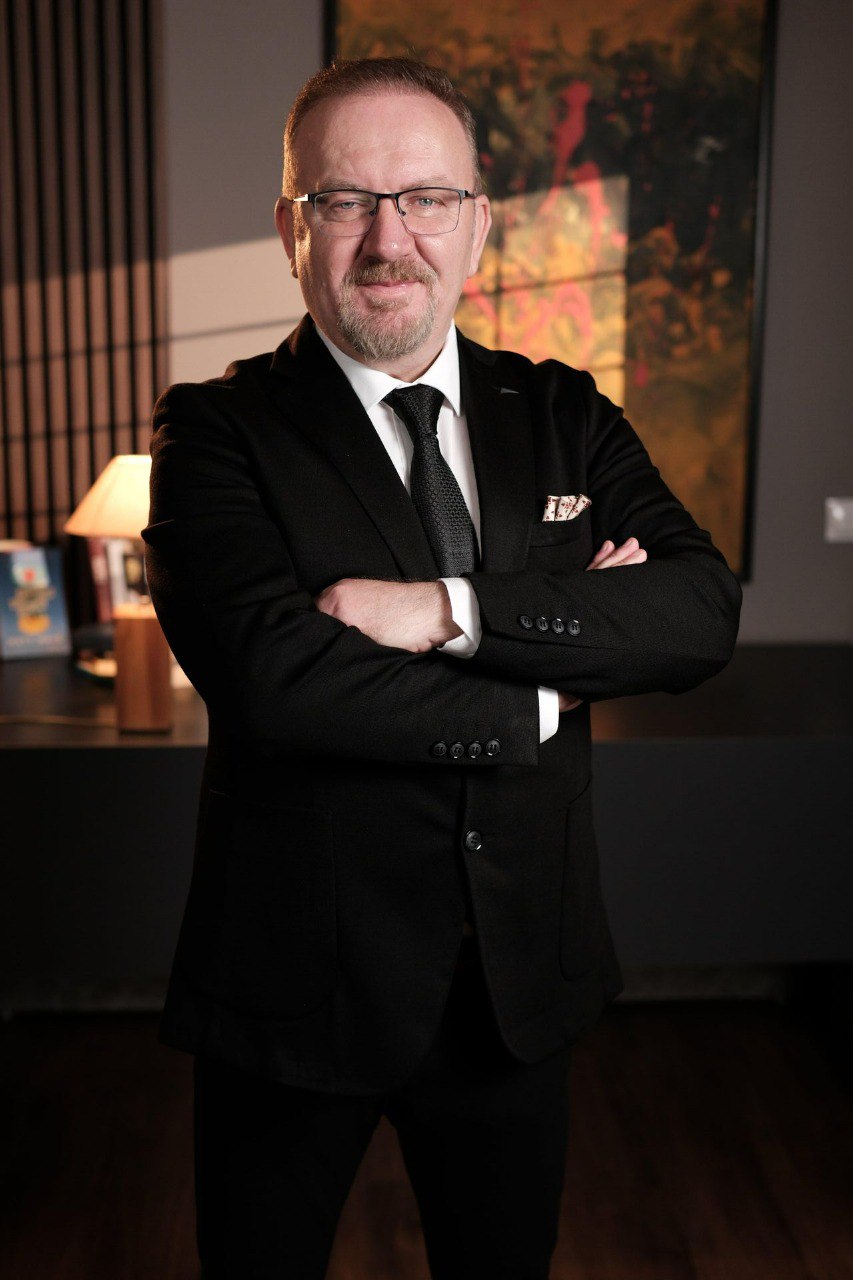
Dr. Hamza Gemici
Atende em Ataşehir, Istambul, com mais de 30 anos de experiência em estética médica. Especializado em tratamentos anti-aging e rejuvenescimento da pele.
Sobre mim →
Dr. Hamza Gemici
Confiável e Profissional
O Dr. Hamza Gemici é médico estético baseado em Ataşehir, Istambul. Sua prática foca em antienvelhecimento natural e harmonização facial sutil usando toxina botulínica, preenchimentos dérmicos, rejuvenescimento periocular e procedimentos de qualidade da pele. Todos os tratamentos são realizados com produtos aprovados pela FDA, TİTCK e CE sob protocolos guiados por médicos.
30+
Anos de Experiência Clínica
10.000+
Pacientes
TİTCK·CE
Produtos Aprovados

