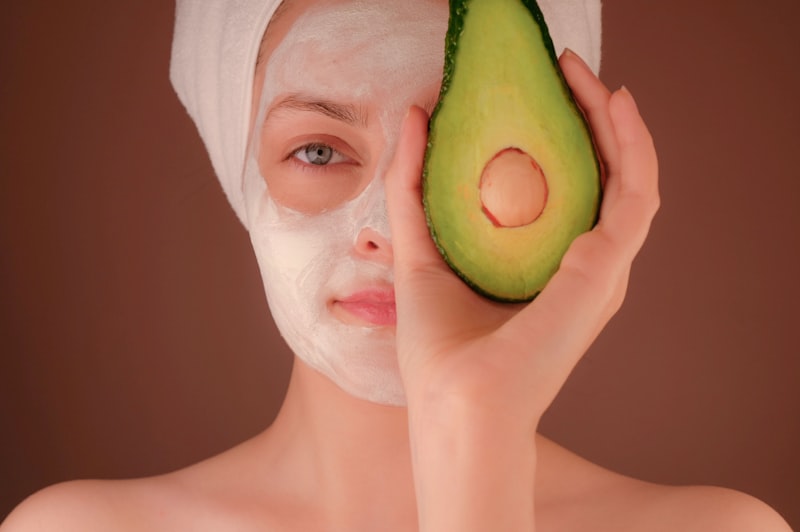
Three classes of peels
Chemical peels are divided into three classes based on the type of acid used and the depth of penetration. Superficial peels (mandelic acid, lactic acid, low-concentration glycolic) are used for skin radiance and mild pigmentation; they do not significantly affect social life. Medium-intensity peels (high glycolic, TCA 15-25%) are effective for spots, fine lines, and acne scars; they involve a 4-7 day peeling process. Deep peels (TCA 35%+, phenol) are used for advanced lines; they must be applied carefully and take weeks to heal.
Not every peel is suitable for every skin type. The risk of pigmentation increases in patients with darker skin; certain acids are preferred in patients with active acne. In the clinic, peel selection never comes from a price list; it comes from the patient's examination.
Photoprotection and seasonal compatibility
After a chemical peel, the skin temporarily becomes sensitive and susceptible to UV. Therefore, especially for medium-deep peels, the application period is usually between autumn and winter. Performing a deep peel in mid-summer is not recommended due to the risk of hyperpigmentation. I recommend my patients plan their "peel calendar from September to the end of March."
Photoprotection should be strictly applied not only after the peel but also 4-6 weeks before the peel. Poorly designed skin + peel = a high risk of hyperpigmentation. I call this preparation phase in the clinic "getting the skin ready for peeling."
Clinical note:A good peel consists of three components: correct preparation, correct application, correct aftercare. If these three components are together, the peel moves up a class; if one is missing, it drops a class.
The place of at-home peels
In recent years, at-home peeling pads and low-dose AHA/BHA products have become popular. These products — low-intensity, used weekly — can support daily skin care. But at-home peeling does not replace clinical peeling. At-home use is a contribution to daily care; clinical peeling is a deep investment made once or twice a year in the annual routine.
Some of my patients who use high-intensity chemicals at home come to my clinic with serious barrier damage. The "more is better" mentality is the most harmful mentality in peeling. Less is right, more is destruction.
- Mandelic acid — safe superficial peel for sensitive and dark skin.
- Glycolic acid — fine lines, uneven tone.
- Lactic acid — dry and sensitive skin.
- Salicylic acid — powerful for acne.
- TCA — medium-deep peel, spots and scars.
Attention:Using strong acids like TCA at home without proper dosage carries the risk of permanent pigmentation and scarring. Every strong peel should be performed under clinical conditions.
Previous chapter
Energy-Based Devices: Laser, Ultherapy, Morpheus8