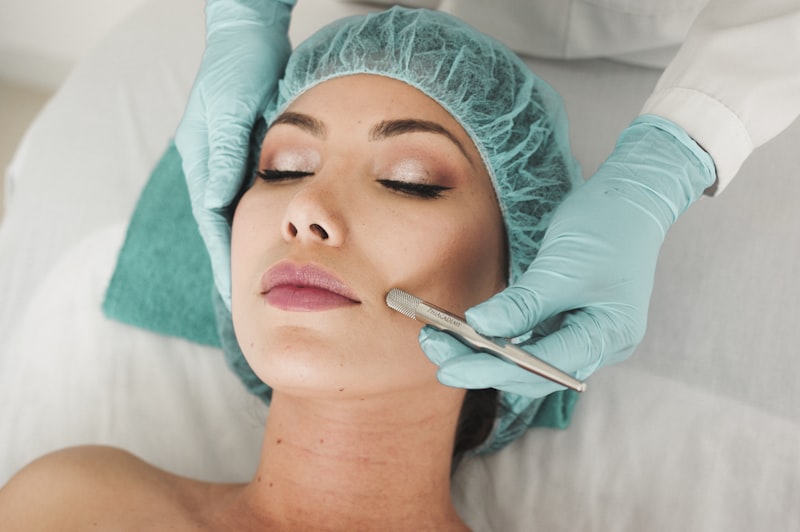
Where does the fear come from?
Almost all patients who come to my clinic say in their first sentences: "But let it be very natural, let it not look like it's been done." This sentence is not an innocent preference; it hides serious social anxiety. Over the years, the image of an "exaggerated face" has been etched into society's mind through media, social networks, and some clinical examples. Patients are afraid of resembling these bad examples. Naming this fear is the first step of treatment.
However, correctly done natural aesthetics does not escape the eyes of the patient's social circle; it only leaves a feeling of "something has changed, but what?" A cousin, a colleague, an old friend; they give the patient positive feedback such as "you look more rested," "you are very energetic these days." These sentences are signs of the silent success of natural aesthetics.
Environmental perception and patient's inner harmony
Some patients want to hide their aesthetic decisions from their surroundings. This preference is completely understandable. However, in my clinical practice, I have often seen the fatigue created by the social pressure that arises after aesthetic decisions kept secret. That's why I ask the patient during the first examination: "Are you making this decision for yourself, or for someone in your environment?"
This question is sometimes uncomfortable; but the answer tells us the real motivation. A patient who makes a decision for themselves stands firmer against possible comments from their environment. A patient who comes with an external expectation will not be satisfied even with the most natural aesthetics after a while.
Clinical note:The judge of the aesthetic result is not your environment, but the serenity you feel when you look in the mirror. An application that does not change you but relaxes you does not give rise to the environment looking with "I wonder?" anyway.
The examination room is not an operating room; it is a conversation room
In my clinical routine, the first appointment is not the "procedure day." This appointment is an intention assessment before an anatomy assessment. The patient tells, I listen; then the patient listens, I tell. Sometimes we don't plan any procedures at the end of this appointment — only a framework of a plan is drawn and the patient goes home to think.
This approach may seem like a practice contrary to many clinics today. But regret in aesthetic medicine is the result of rushed decisions. A filler, a botox, even a peeling; the application takes seconds, the effect lasts months. Because of this asymmetry, slowness itself is a treatment.
Reminder:The place where you get the feeling "this physician can say no to me" at the end of the first appointment is usually where you are safe.